Rush County Humane Society
- Can only be contacted through their Facebook page: CLICK Here
- They may be able to help with trapping, arranging clinic appoitments, or possibly financial help
- The Rushville Animal Shelter is a separate organization and do not know what kind of or if they can help
Low-Cost Spay Neuter Clinic
- Transport service is offered in Rushville, behind the CVS
- They post their transport schedule on their Facebook page. Click HERE for that information
- The closest clinic location is in Noblesville, Indiana. Click HERE for their information
- They allow up to 2 cats to be dropped off without an appointment. Read more about that HERE.
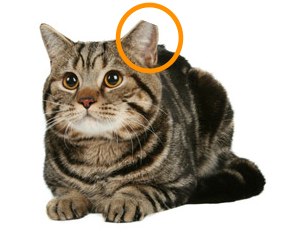
- They offer two different packages for feral or outdoor cats that include the left ear tip, a 3-year rabies vaccination, flea treatment, and 48-hour pain control. Read more about that HERE.
- Accepts the Pet Friendly Services Vouchers. Read more about those HERE.
Public Vet Clinic
- Mobile clinic that visits Rushville and the surrounding counties on a regular rotation. You can find their upcoming locations HERE.
- Financial Assistance is available for Rush County residents. Read more about that HERE.
- Accepts the Pet Friendly Services Vouchers. Read more about those HERE.
- May not do the left ear tip, but tattoo the left ear with the letters P.V.
Resources on Managing Feral/Community Cat Colonies
Why doesn’t the Rushville Animal Shelter have a TNR Program?
The Rushville Animal Shelter is a tax funded facility under the operation of the City of Rushville. Due to our funding, we are extremily limited on our budget. Our primary service for our tax payers is animal control for the City of Rushville, our secondary service is to operate a shelter for the unwanted and stray animals of Rush County.
To run a TNR Program properly would require not only funding to cover the cost of spaying and neutering, but also people. We simply do not have the budget to hire additional staff for us to handle the amount of work involved in identifying colonies, identifying colony caretakers, setting traps, collecting trapped cats, holding the cats overnight, getting them to the clinic, picking them up from the clinic, keeping them an additional night, then returning them to the colony to be released.
We are very supportive of TNR programs, but we have to rely on the community and other organizations to make it work. If you are interested in volunteering, speak to someone at the Rush County Humane Society. If you are interested in starting your own TNR program for your community, visit the links above for information.
 Rushville Animal Shelter